The ultimate guide to Tanda Cotton Handlooms. Discover the rich history, Terracotta textile mechanics, weaving duration, price guide, and practical care tips.
Read this in – বাংলা/हिन्दी/मैथिली
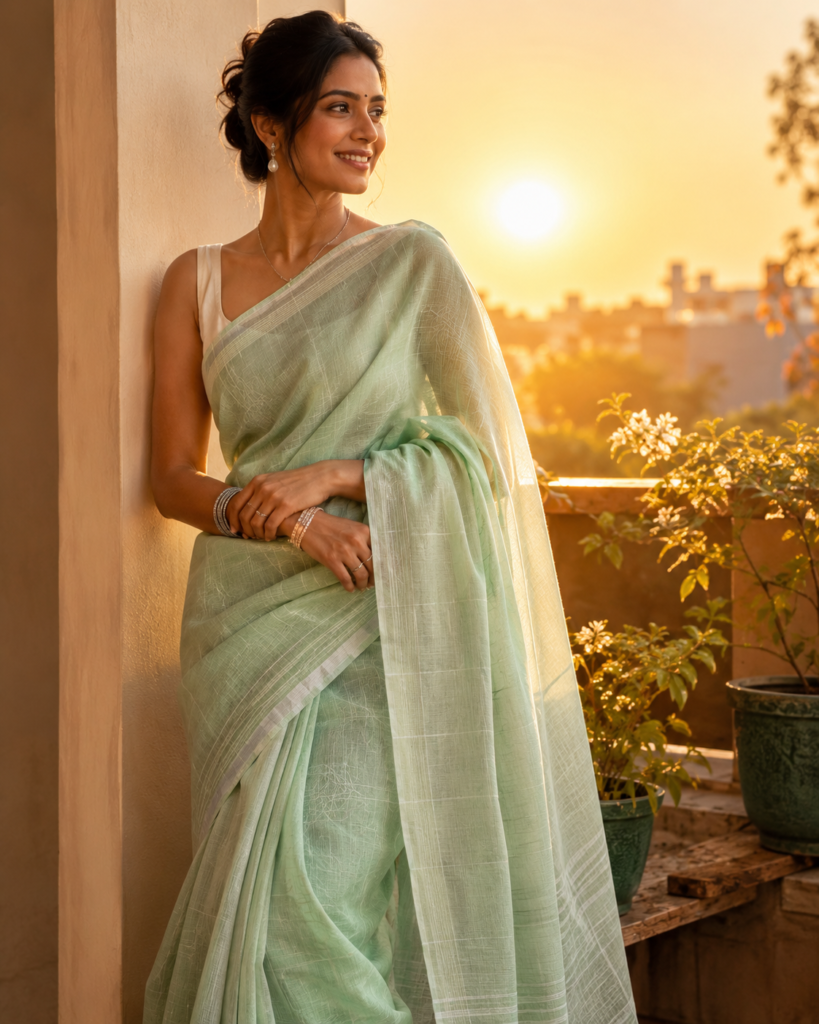
The historic town of Tanda in the Ambedkar Nagar district of Uttar Pradesh holds an extraordinarily prestigious place in global textile history as a sanctuary for pure organic cotton weaving. Tracing its lineage back to the Mughal era, this iconic weaving cluster is celebrated nationwide for its fine geometric layouts and soft terracotta-textured cotton drapes. Especially during scorching summer months, an authentic Tanda Cotton Saree stands out as the ultimate emblem of airy comfort and understated elegance. Today, on this comprehensive blog by Vunavya, we explore the technical mechanics, weaving duration, market price guide, and practical care tips for Tanda Cotton Handlooms.
1: Material Specifications & Weaving Mechanics of Tanda Cotton
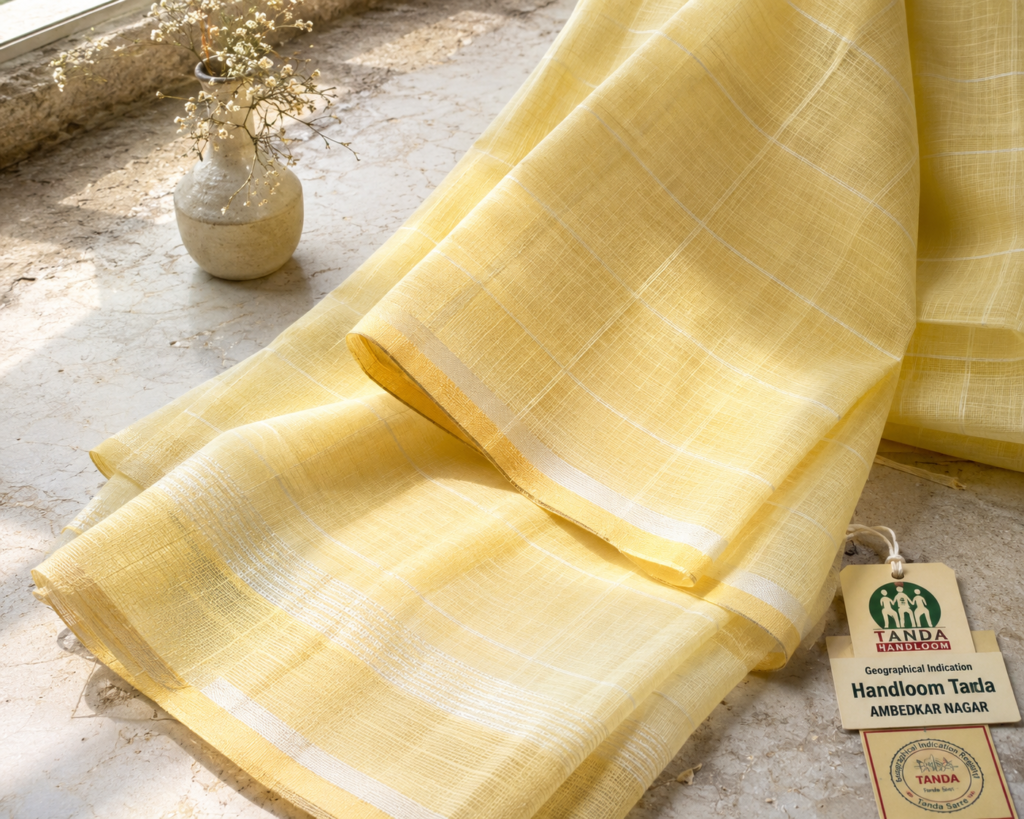
The primary allure of Tanda Cotton lies within its high yarn count, balanced weave density, and zero-carbon production methods. Master artisans exclusively deploy 100% organic combed cotton threads.
- Geometric Layouts and Terracotta Feel: Artisans construct subtle geometric grids, fine checks, and delicate pinstripes directly on the loom. The structural alignment creates a slightly crisp, porous texture that offers an ultra-soft tactile feeling upon skin contact.
2: Weaving Duration and Practical Price Range Guide
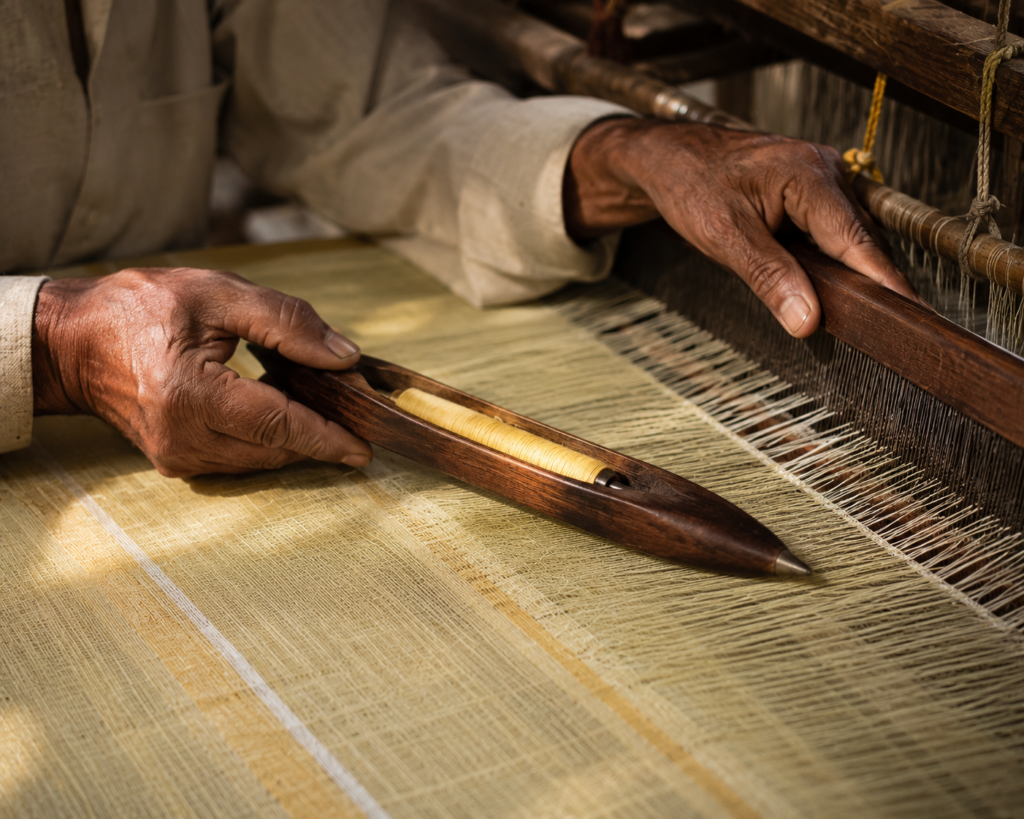
Unlike mass-produced powerloom textiles, hand-woven Tanda cotton requires immense human patience and skill.
- Time and Artisanal Labor: From yarn dyeing to final off-loom finishing, weaving a complete Tanda cotton saree takes 10 days to 3 weeks, involving the dedicated labor of 2 master weavers.
- Price Range and Budget Guide: Certified officially with a GI Tag (Geographical Indication), an authentic handloom Tanda Cotton Saree ranges between ₹2,500 and ₹8,500. Additionally, fine cotton suit sets and un-dyed stoles range from ₹1,800 to ₹6,000.
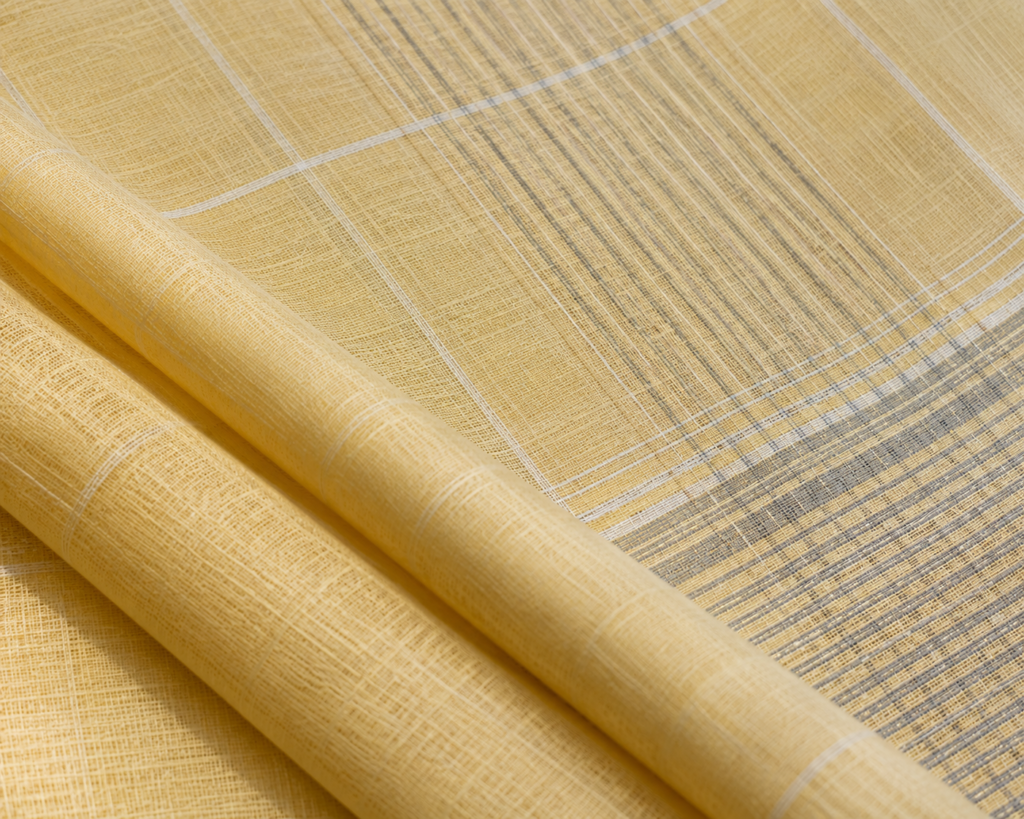
3: Traditional Geographical Hub and Contemporary Sustainable Luxury
- The Ambedkar Nagar Corridor: The definitive historical epicenter for this craft is Tanda within the Ambedkar Nagar district of Uttar Pradesh. Here, weaver families operate traditional pit-looms inside cottage setups. Contemporary sustainable fashion designers actively convert these lightweight cotton panels into resort-wear tunics, summer kaftans, and luxury ethnic scarves.
4: Frequently Asked Questions (FAQ)
Q1: What is the most definitive technique to identify an authentic hand-woven Tanda Cotton saree?
Answer: Authentic handloom Tanda cotton features subtle organic weave variations along its selvage edges. It strictly lacks the glossy chemical stiffness or perfectly uniform plastic finish characteristic of synthetic powerloom imitations.
Q2: Is Tanda Cotton fabric suitable for extreme tropical summer climates?
Answer: Yes, absolutely. Made of 100% pure organic cotton yarns, it absorbs moisture instantly and provides maximum breathability to keep the skin cool.
Q3: What is the recommended care and washing routine for a Tanda cotton saree?
Answer: Gently hand wash the saree at home using cold water and a mild liquid detergent, then line-dry in the shade. You can apply a light starch spray during ironing to maintain its crisp hand-feel.
Conclusion
The airy drapes of Tanda demonstrate how organic fashion can co-exist with rural mastery across generations. From the fine geometric grids to the cool touch of pure cotton, every drape narrates a story of sustainability and identity. Bridging the gap between these rural master weavers and global textile lovers, Vunavya stands proud in keeping this heritage alive.