
The ultimate guide to Odisha’s first GI-tagged Kotpad Handloom. Discover the rich history, organic root-dyeing mechanics, and tribal motifs of this eco-friendly craft.
Read this in –বাংলা/हिन्दी/ଓଡ଼ିଆ
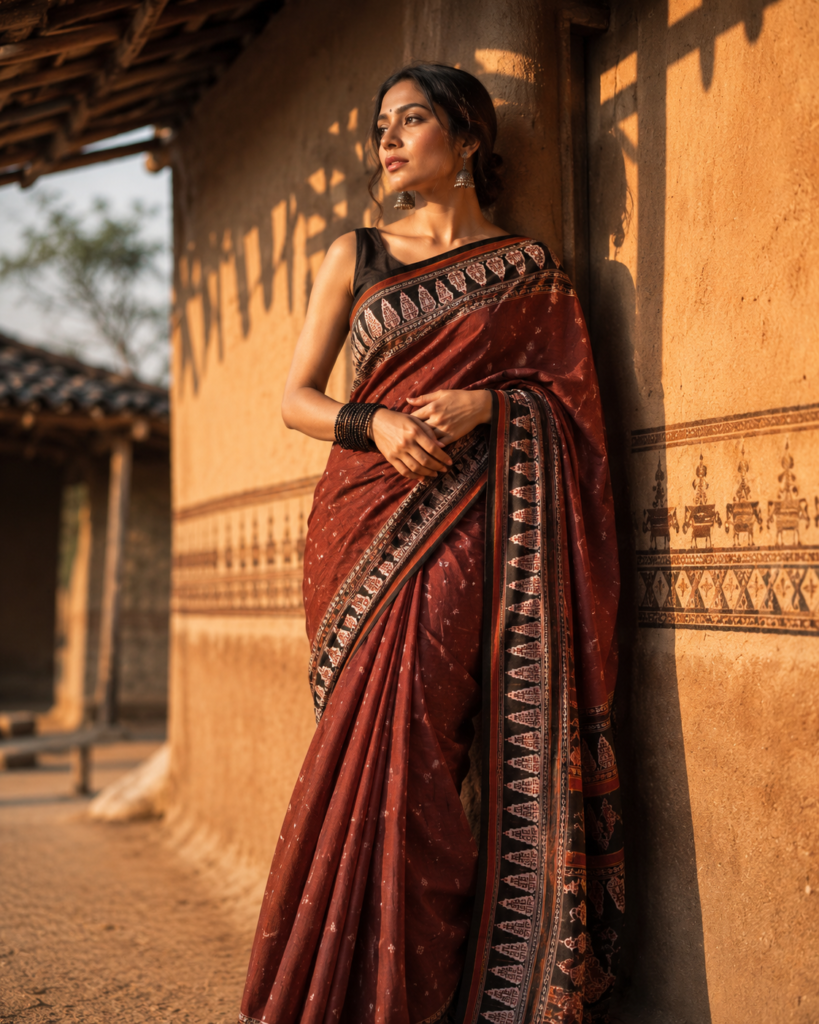
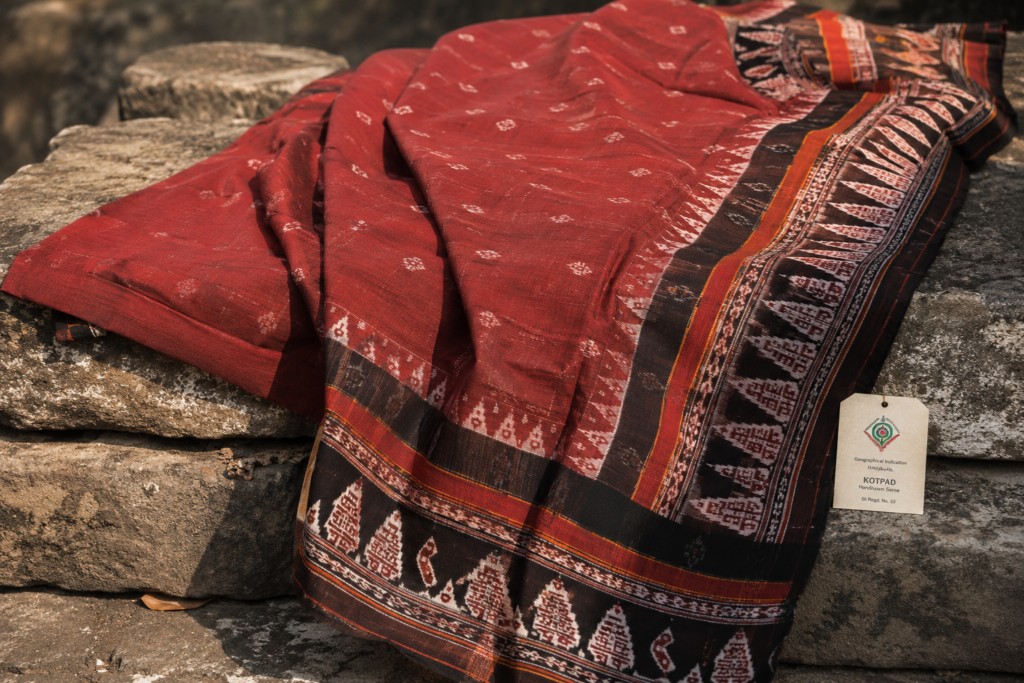
Every single traditional weave from the state of Odisha carries a brilliant reflection of indigenous tribal life and ecological balance. One such exceptionally eco-friendly, ancient, and highly revered textile art from the Koraput district is Kotpad Handloom. Crafted meticulously by the master weavers of the Mirgan community, this structural cotton drape is far more than a simple rural garment; rather, it stands proud as the very first textile from Odisha to receive the official GI Tag (Geographical Indication) protection. Today, on this comprehensive blog by Vunavya, we explore the fascinating history, completely organic root-dyeing mechanics, and tribal motifs of the iconic Kotpad Handloom.
1: The Technical Mechanics of Kotpad Weaving — The Organic Alchemy of ‘Aal’ Roots
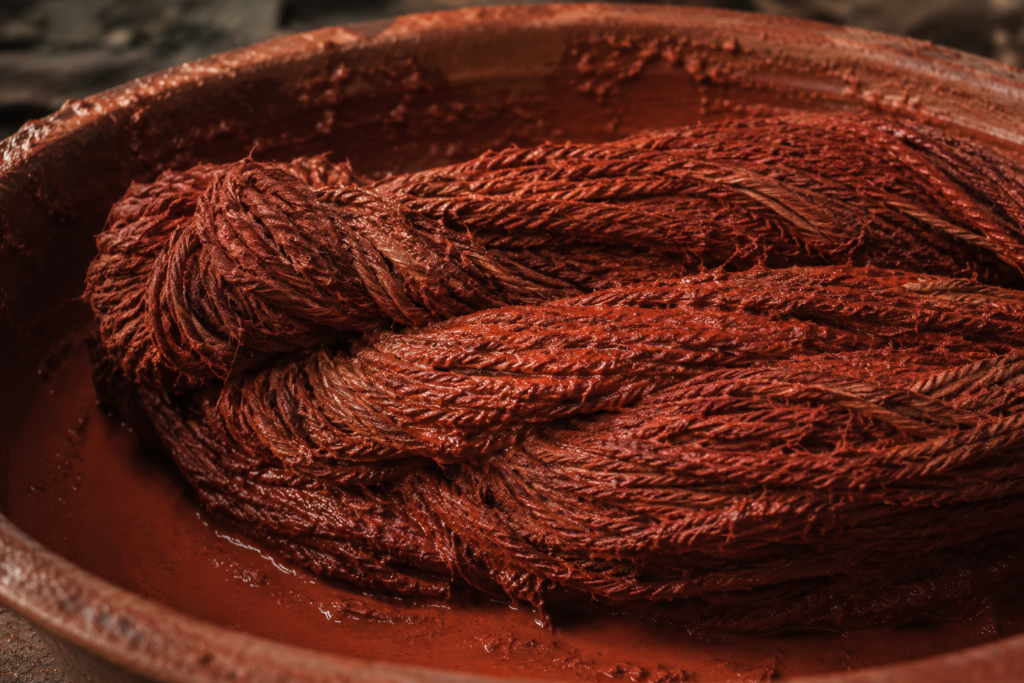
The primary allure of Kotpad Handloom lies heavily within its intensely calculated, 100% plant-based yarn dye process. Artisans completely reject modern chemical dyes, executing a tedious manual method with absolute patience.
- Root Extraction and Processing: Weavers extract these unique colors strictly from the roots of the ‘Aal’ or Indian Madder tree. They mix the ground root powder with pure castor oil and local cow dung, treating the cotton yarn repeatedly over a rigorous cycle of 15 to 21 days. Consequently, this organic reaction explicitly yields a majestic palette of deep earthy reds, rich rusts, and dark chocolate browns.
- The Structural Pit-Loom Framework: Master craftsmen explicitly process these heavy handspun yarns on traditional pit-looms. The resulting fabric features an exceptional structural density combined with a beautiful, raw tactile texture that softens brilliantly over time.
2: Indigenous Motifs and Contemporary Sustainable Fashion Trends
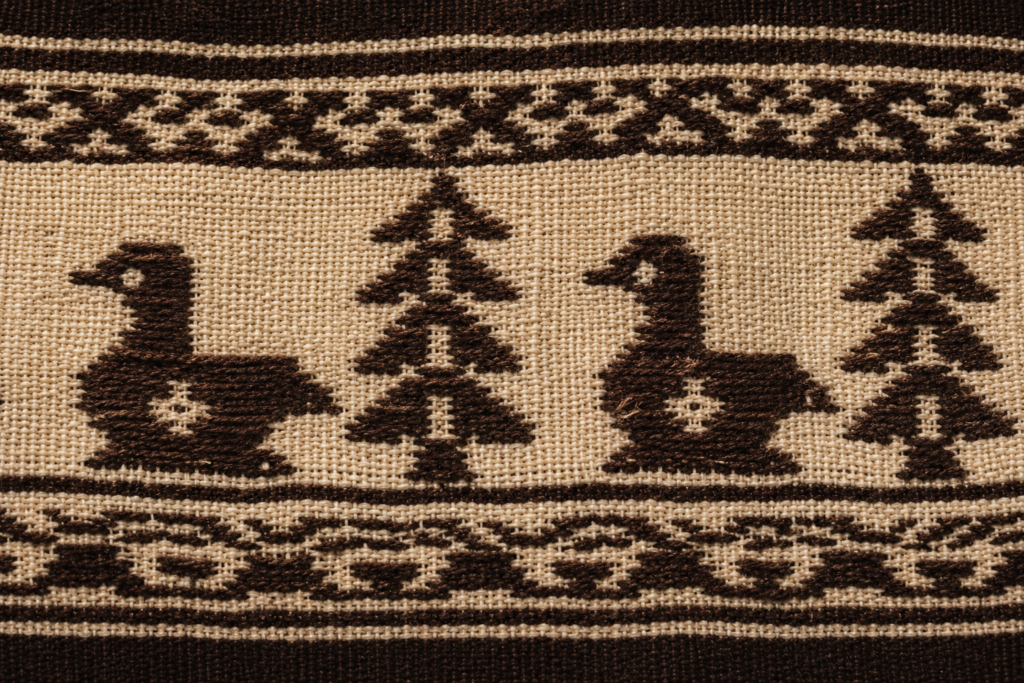
- The Language of Tribal Symbolism: The borders of a Kotpad saree explicitly showcase miniature geometric motifs inspired by daily forest life using the extra-weft mechanism. These feature stylized representations of the traditional Axe (Kulahari), river fish, flying ducks, bows, and tribal huts forming the structural ‘Mandira Border’. Today, contemporary global designers actively transform this zero-carbon organic fabric into high-end structural jackets, heavy stoles, and luxury khadi sarees for the slow-fashion market.
3: Frequently Asked Questions (FAQ)
Q1: Does an authentic Kotpad Handloom fabric carry any chemical odor?
Answer: No, authentic Kotpad fabric is explicitly free of toxic chemical smell. Because of its organic processing with castor oil and madder root, a brand-new fabric carries a highly pleasant, earthy, and nutty organic aroma.
Q2: Is a heavy Kotpad cotton saree suitable for summer wear?
Answer: Yes, absolutely. Woven meticulously using pure, coarse natural cotton yarn, the fabric offers high breathability and immense sweat absorption, keeping the skin comfortably cool during hot summer days.
Q3: Do the natural colors of Kotpad handloom fade or bleed upon washing?
Answer: No, the organic root dyes of Kotpad have infinite permanence. The color never bleeds; instead, the unique earthy red tones mature and become visibly richer and more vibrant with repeated usages and washings. Always use mild soap and cold water.
Conclusion
The traditional drapes of Koraput demonstrate how fashion can co-exist organically with nature and zero-chemical footprint for hundreds of years. From the rich earthy hues of Madder roots to the geometric tribal motifs, every thread in a Kotpad saree narrates a story of sustainability and identity. Bridging the gap between these rural master weavers and global textile lovers, Vunavya stands proud in keeping this heritage alive.